{{item.name}}
Price: {{currency}}{{item.price| numberThousandsCommas | numberDecimalPoint}}
Qty: {{item.amount}}


Projectors

Monitors
Lighting
Interactive Displays & Signage
Remote Work & Learning
Shop
Debates about when exactly Hong Kong cinema had its true golden age continue to rage unabated. Pretty much every decade since the 1930s has supporters, and the good thing is that each and every era has lots in store for movie fans. So if you have a home cinema projector or plan to purchase one soon, you may want to stock up on Hong Kong movies on Blu-ray disc.
One film you definitely shouldn’t miss out on is Days of Being Wild (阿飛正傳), aka A-Fei’s True Story or Hoodlum’s Biography when translated loosely from the original Cantonese title. The movie is notable for being the first major success for acclaimed director Wong Kar Wai, who later went on to direct Chungking Express, Ashes of Time, Happy Together, In the Mood for Love, and many others. Days of Being Wild was also filmed by Wong Kar Wai’s longtime friend and colleague Christopher Doyle, who is responsible for most of Wong’s cinematography and has gained a reputation for gorgeous movies that defy their modest budgets.
Made in 1990 but set in the early 1960s, Days of Being Wild has that signature nostalgic feel of many Hong Kong films. That’s not surprising, as the city has gone through many changes over the last 200 years on very profound cultural levels. Days of Being Wild harkens back to a time when Hong Kong was beginning to take on a more international role and thus its society was changing quickly. This is reflected in the three main characters. Leslie Cheung plays a rather callous young man with a knack for breaking the hearts of women, such as the young and impressionable Li Zhen (Maggie Cheung), and the more assertive Mimi (Carina Lau). Thankfully for Li Zhen, comfort can be found with the highly dependable and compassionate police officer played by Andy Lau, a character of great impact that would go on to define the famous cop persona from Chungking Express a few years later.
Days of Being Wild, as the emotive title suggests, is essentially a smart romantic drama. However, its strongest assets lie in scene creation, acting, and cinematography. You’ll really feel like the movie transports you to a different time and place, which is what all good stories are supposed to do.
On a sad note, Days of Being Wild is one of Leslie Cheung’s best movies, and we miss him terribly since his passing in 2003.
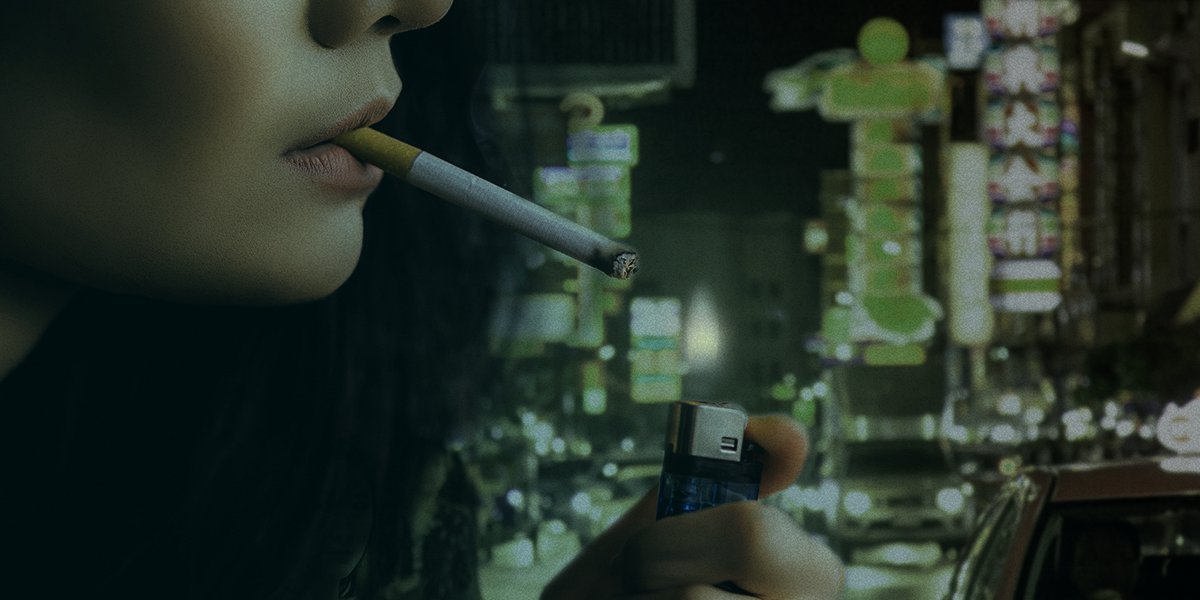
In typical Wong Kar Wai and Christopher Doyle fashion, Days of Being Wild sets each and every scene with meticulous detail. From barely lit apartments and street corners to bright splashes of lamps, bars, and sidewalk eateries, Days of Being Wild loves to play with lights and shadows. There’s also a constant switch between blue filters, unfiltered night scenes, and green filters for segments set in the more tropical environment of the Philippines, where a major part of the movie was shot.
Wet pavement sparkles, focus changes accentuate characters, and ambient occlusion hides details with superb mood-setting power. Days of Being Wild is a marvel of photography without having any special effects to speak of. Everything happens as the camera chances upon it, and that’s a good thing. The Blu-ray currently isn’t very easy to get a hold of, but the movie is available for purchase from several digital storefronts if you look closely.
As we said earlier, Days of Being Wild marked the commencement of Wong Kar Wai’s internationally-celebrated success as a writer and director. While Wong made movies before, Days of Being Wild was the first one to capture the attention of movie lovers and critics alike. It wasn’t a huge success commercially, but critically it remains an unmitigated darling. For a big slice of Hong Kong cinema history, you really must watch Days of Being Wild on a big, cinematic screen as its makers most definitely intended.


Recommended Products
{{item.productWordingTag}}
{{currency}}{{item.finalPrice| numberThousandsCommas | numberDecimalPoint}} Save {{currency}}{{item.saveAmount | numberThousandsCommas | numberDecimalPoint}} Save {{item.savePercent | numberThousandsCommas | numberDecimalPoint}}%
new device price{{currency}}{{item.regularPrice| numberThousandsCommas | numberDecimalPoint}}