Variable Refresh Rate (VRR) is a technology designed to improve your computer monitor's visual experience by eliminating "screen tearing."
Screen tearing happens when your monitor and your computer's graphics card (GPU) are out of sync. Imagine your monitor trying to show images at one speed while your computer is creating those images at a different speed. This mismatch can cause a noticeable, jagged line to appear across the screen, distracting and ruining the enjoyment of games.
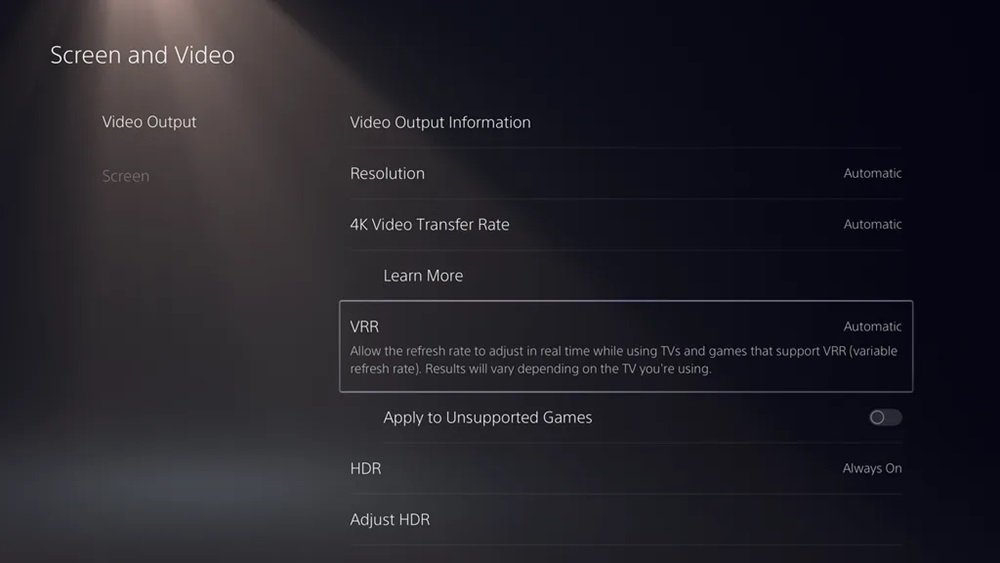
VRR solves this problem by ensuring that your monitor and graphics card work together at the same speed. This synchronization eliminates the tearing effect, making your gaming experience smoother and more immersive.
In practice, VRR is implemented through technologies like FreeSync from AMD and G-Sync from Nvidia. FreeSync and G-Sync are designed to work specifically with their respective GPUs, providing a seamless VRR experience. FreeSync is typically more cost-effective and widely supported across various monitors, while G-Sync offers a premium experience with additional features such as variable overdrive, but often at a higher price point. Both options aim to enhance your gaming visuals by preventing screen tearing and maintaining consistent frame rates.