


Get together with friends for immersive gaming action on the big screen
Unforgettable Game Nights Start Here

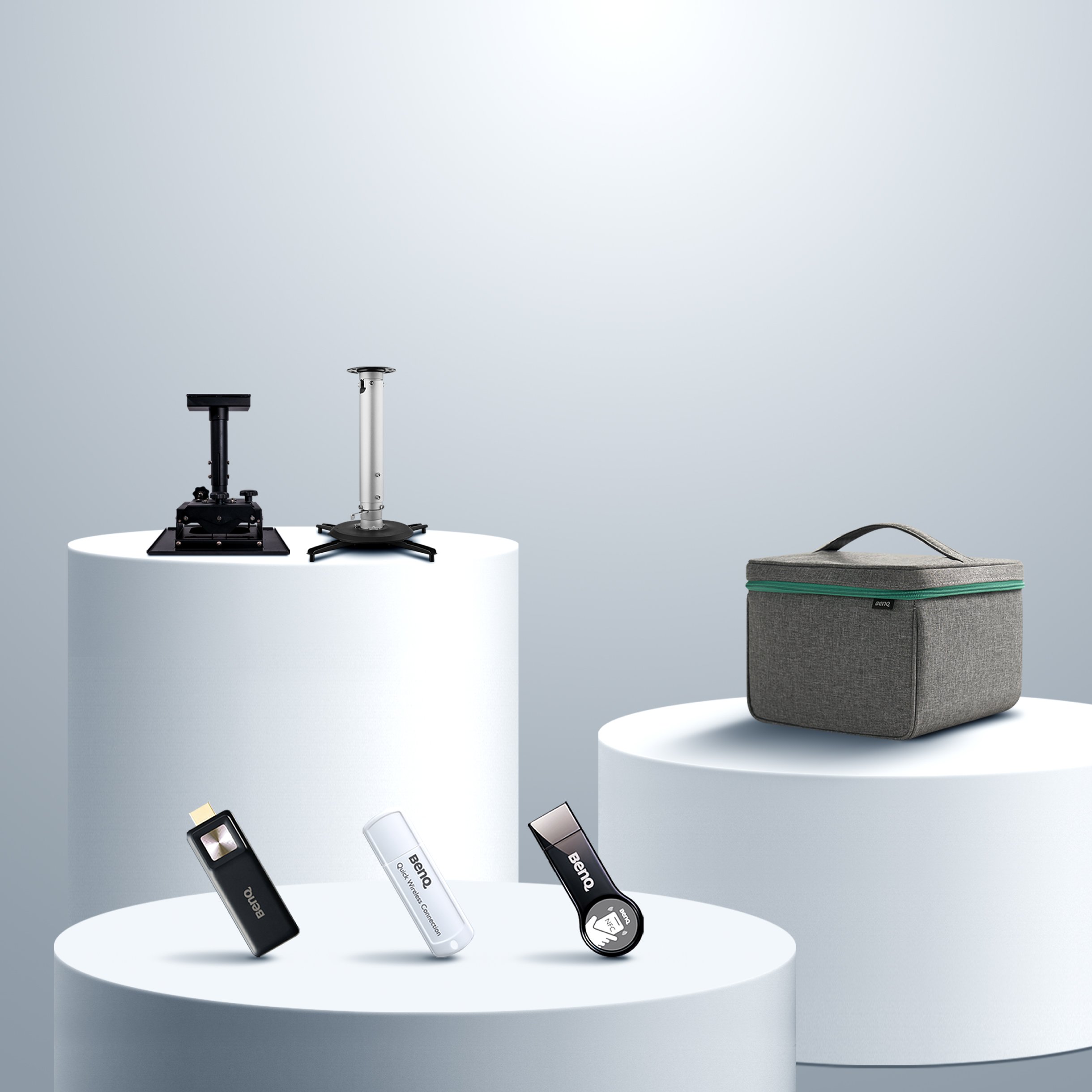
Accessories


Shared screens, shared frustration
Split-screen views can feel too small, making it harder for players to see the details and enjoy the game.
Choppy visuals, missed moments
Blurry images and input lag can turn fast-paced games into a frustrating, stuttering experience.
Big TVs, bigger hassle
Large-screen TVs are fixed in one place, making it harder to adapt to different group sizes and seating arrangements.
“Best projector I’ve owned to date. Beautiful picture and runs quietly.”
— C.E. Mullenix, USA
“Definitely an A+ gift for any gamer! My sister and I hooked up her Xbox and the picture quality was *AMAZING*, even with the lights on.”
— R.H., USA
“Set up was a breeze! My son and I had it ready in 30 minutes. If you want the best picture quality for under $4000, this is it!”
— R.D., USA
Pick Your Wall
Grab your friends and choose a wall for your big-screen gaming.
Get Connected
Position your projector, connect your console and get the snacks ready. It's time to pick your game!
Sit Back & Play
Switch on your projector and let the automatic adjustments take care of the setup. Take your seats and dive into your favourite game.

For the Ultimate Game Cave
Project a massive 150” screen, even with the lights on.
3300 ANSI Lumens 100% DCI-P3 Colour Coverage Vertical Lens Shift
For Your Living Room
Stunning 120-inch screen from just a few feet away.
2200 ANSI Lumens 84% DCI-P3 Colour Coverage 100” from 5 feet away
For a Solo Gaming
Compact in size, with automatic screen alignment for easy setup.
2200 ANSI Lumens Auto 2D Keystone & Rotation USB-C DP Alt Mode


View detailed product carbon footprint report
Find nearest product recycling info


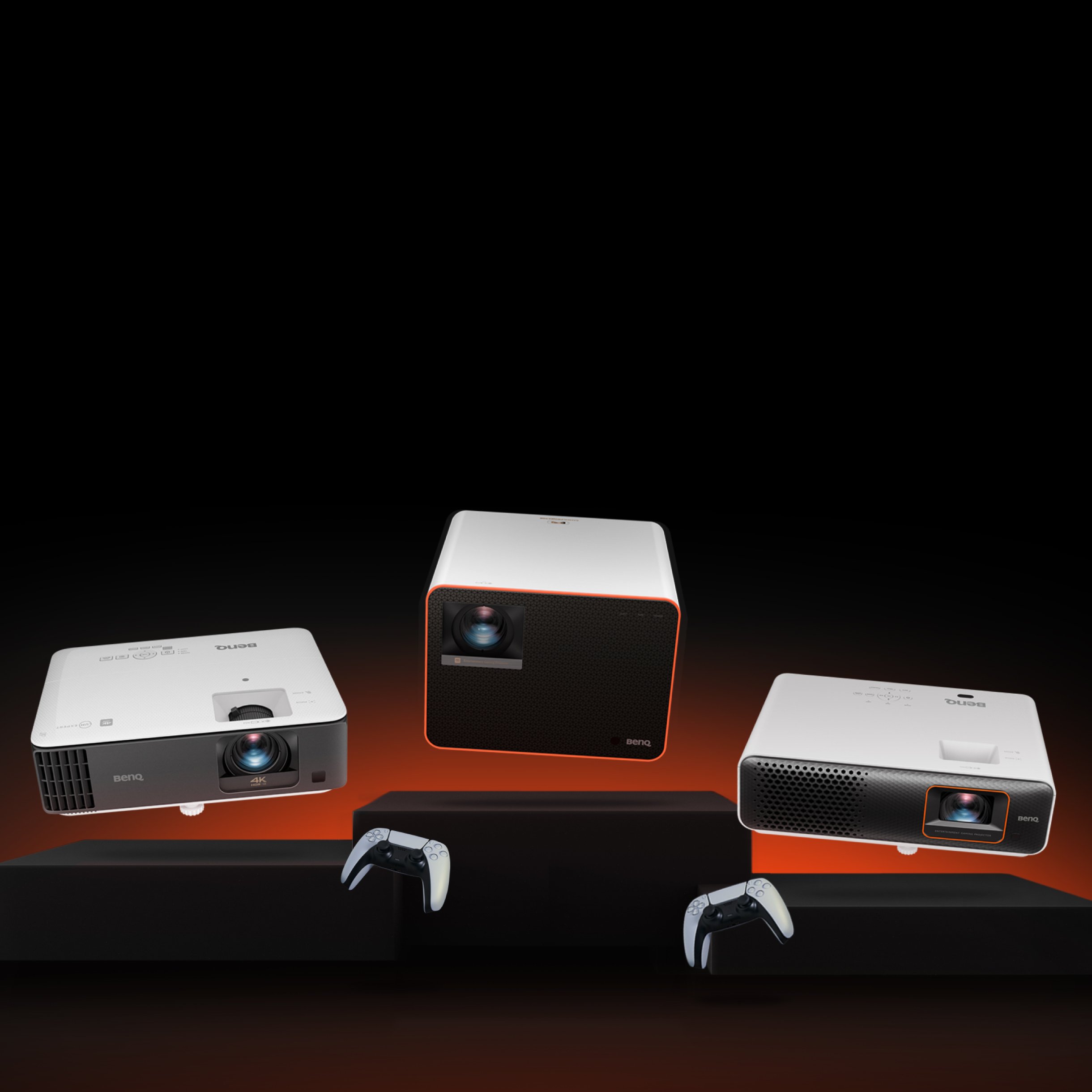
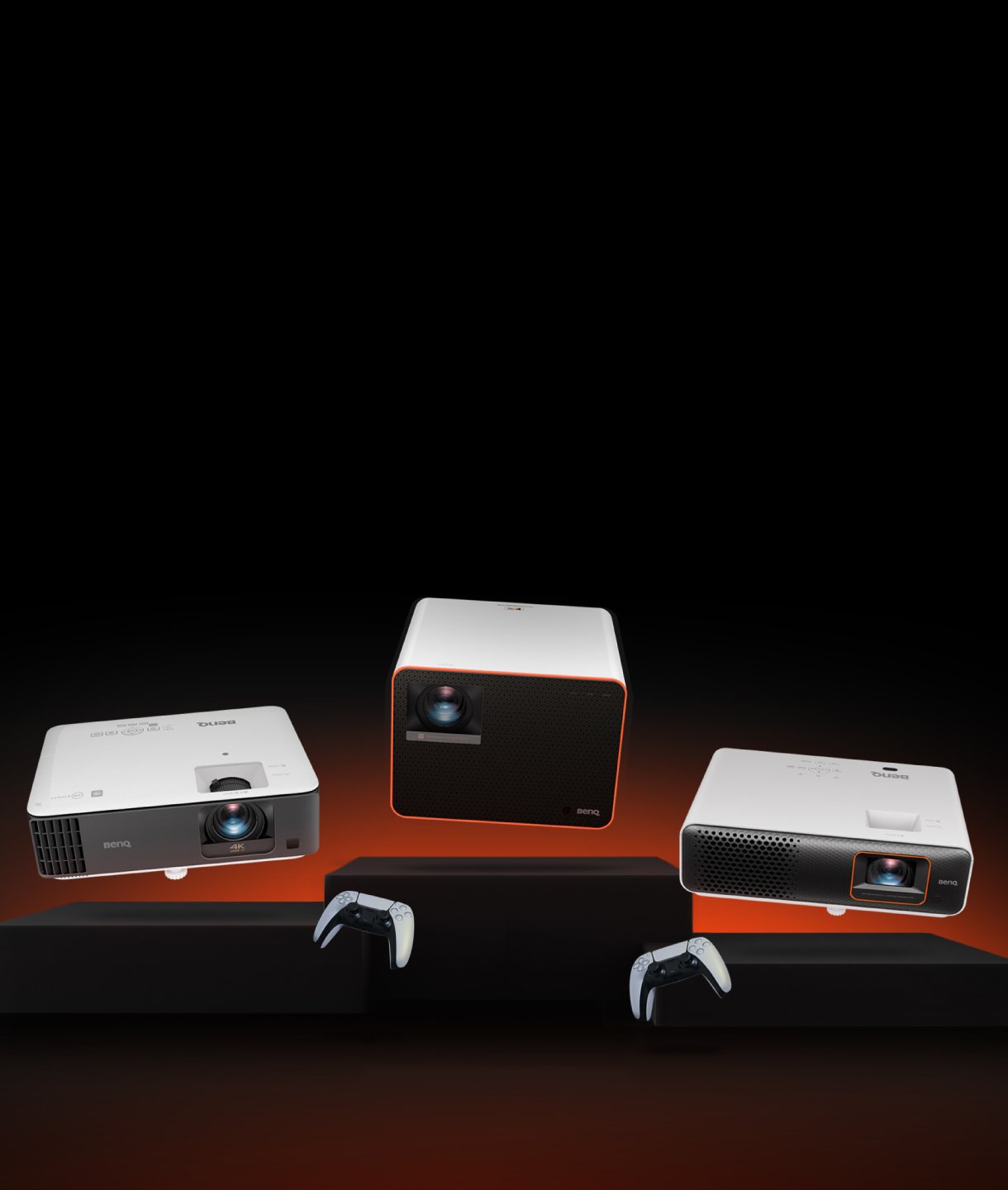
Immersive Gaming Series
Compare all immersive gaming projectors
4K UHD (3840×2160)
4K HDR projector for ultimate immersive gaming
From {{currency}}{{ formatPrice(n[1]) }} -
Learn more3000lm~3300lm
Brightness
100" @8.2ft (2.5m)
Projection Distance
1.3x
Zoom Ratio
Input Lag
Up to
100% DCI-P3
Colour Coverage
eARC,Dolby Atmos
Audio Return

1080p FHD (1920x1080)
1080p HDR projector for ultimate immersive gaming
{{currency}}{{ formatPrice(n[1]) }} -
Learn more3000lm
Brightness
100" @9.4ft (2.87m)
Projection Distance
1.2x
Zoom Ratio
Input Lag
Up to
98% Rec.709
Colour Coverage
ARC
Audio Return
Projection Distance
There are many choices in terms of machine size and projector lens design. This is the distance to project a 100-inch screen.
Zoom Ratio
The zoom ratio is used to indicate the zoom range of the lens, you will see it listed with an "X". The zoom ratio does not equate to the total zoom power of the lens, simply the zoom range of the lens.
Input Lag
Input lag or input latency is the amount of time it takes to display a signal on the screen from when the source sends it.
DCI-P3 Color Space
DCI-P3 is a common RGB color space for digital movie projection in the American film industry. DCI-P3’s range is 26% larger than sRGB/Rec.709, and the percentage higher, the color gamut wider.
Projection Distance
There are many choices in terms of machine size and projector lens design. This is the distance to project a 100-inch screen.
Zoom Ratio
The zoom ratio is used to indicate the zoom range of the lens, you will see it listed with an "X". The zoom ratio does not equate to the total zoom power of the lens, simply the zoom range of the lens.
Input Lag
Input lag or input latency is the amount of time it takes to display a signal on the screen from when the source sends it.
Rec.709 Color Space
Rec.709 uses specific red, green, and blue colors and illuminant D65 (6500k) for the white point to build a standardized color space and reproduce accurate color gamut and grayscale, and the percentage higher, the color gamut wider.
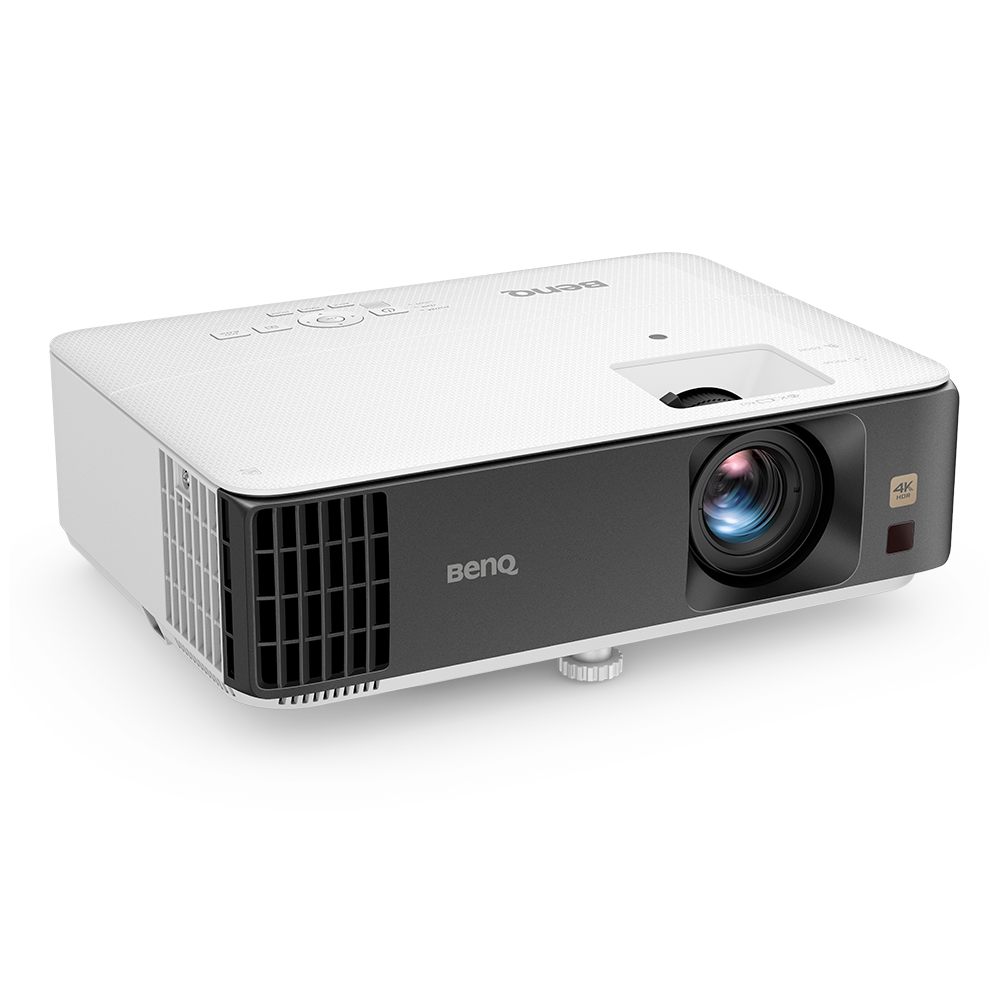
4K UHD (3840×2160)
4K HDR projector for console gaming
From {{currency}}{{ formatPrice(n[1]) }} -
Learn more3000lm~3200lm
Brightness
100" @7.8ft (2.4m)/100" @8.2ft (2.5m)/100" @ 6.5ft (1.99m)
Projection Distance
1.2x~1.3x
Zoom Ratio
Input Lag
Up to
96% Rec.709
Colour Coverage
eARC,Dolby Atmos
Audio Return
Lamp
Light Source

1080p FHD (1920x1080)
1080p HDR 4LED projector for console gaming
{{currency}}{{ formatPrice(n[1]) }} -
Learn more2300lm
Brightness
100" @5ft (1.5m)
Projection Distance
1.2x
Zoom Ratio
Input Lag
Up to
98% Rec.709
Colour Coverage
-
Audio Return
LED
Light Source
Projection Distance
There are many choices in terms of machine size and projector lens design. This is the distance to project a 100-inch screen.
Zoom Ratio
The zoom ratio is used to indicate the zoom range of the lens, you will see it listed with an "X". The zoom ratio does not equate to the total zoom power of the lens, simply the zoom range of the lens.
Input Lag
Input lag or input latency is the amount of time it takes to display a signal on the screen from when the source sends it.
Rec.709 Color Space
Rec.709 uses specific red, green, and blue colors and illuminant D65 (6500k) for the white point to build a standardized color space and reproduce accurate color gamut and grayscale, and the percentage higher, the color gamut wider.

4K UHD (3840×2160)
4K HDR Portable Console Gaming Projector
{{currency}}{{ formatPrice(n[1]) }} -
Learn more2000lm
Brightness
100" @5ft (1.5m)
Projection Distance
1.2x
Zoom Ratio
4 ms (1080p@240Hz)
Input Lag
95% Rec.709
Colour Coverage
eARC
Audio Return
Projection Distance
There are many choices in terms of machine size and projector lens design. This is the distance to project a 100-inch screen.
Zoom Ratio
The zoom ratio is used to indicate the zoom range of the lens, you will see it listed with an "X". The zoom ratio does not equate to the total zoom power of the lens, simply the zoom range of the lens.
Input Lag
Input lag or input latency is the amount of time it takes to display a signal on the screen from when the source sends it.
Rec.709 Color Space
Rec.709 uses specific red, green, and blue colors and illuminant D65 (6500k) for the white point to build a standardized color space and reproduce accurate color gamut and grayscale, and the percentage higher, the color gamut wider.
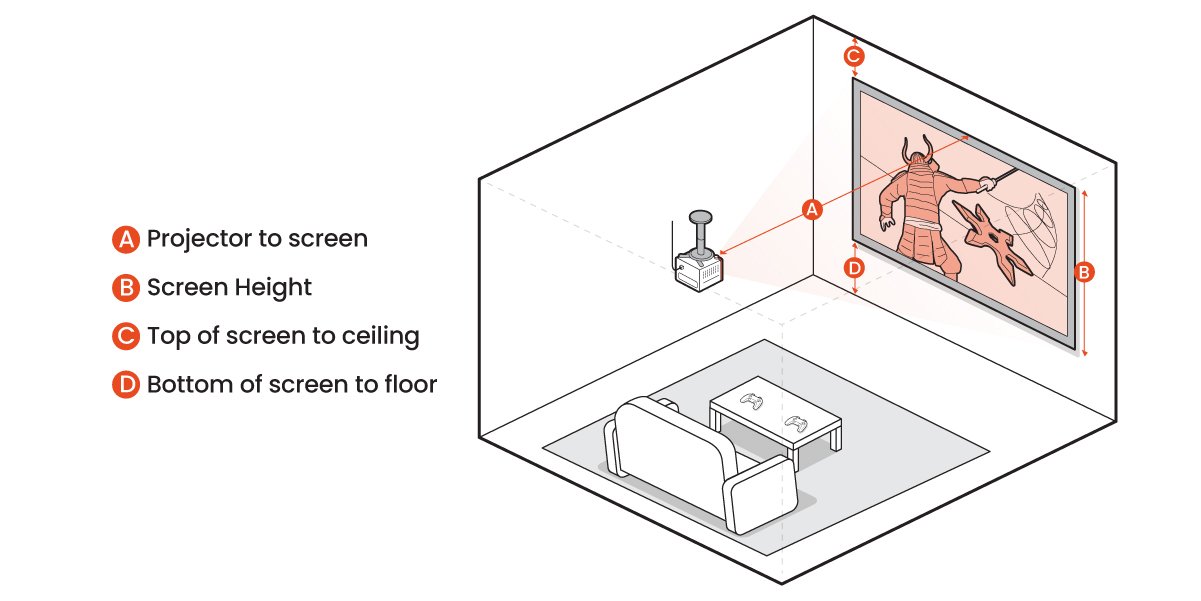
How to Mount Projector to Ceiling: BenQ X3100i/X3000i Gaming Projector as an Example
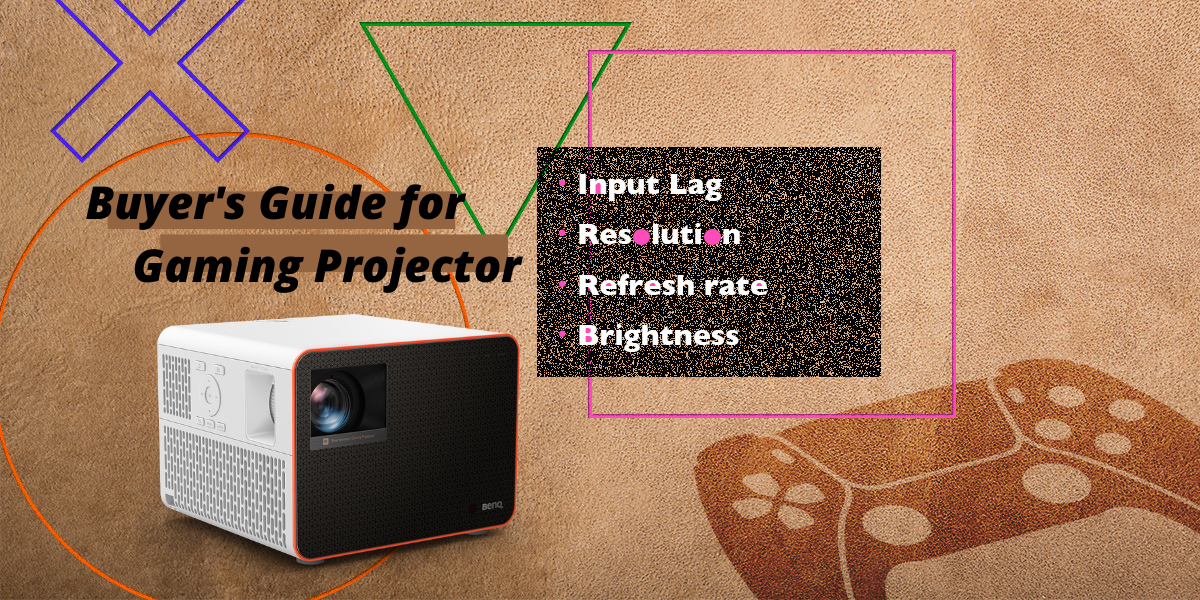
Best Gaming Projector 101 and What to Know in 2025 When Shopping
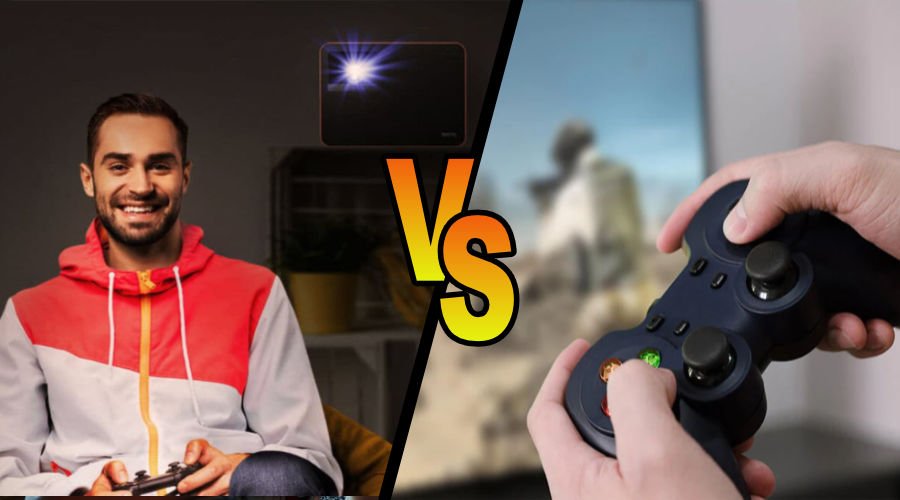
Are Projectors Good for Gaming?
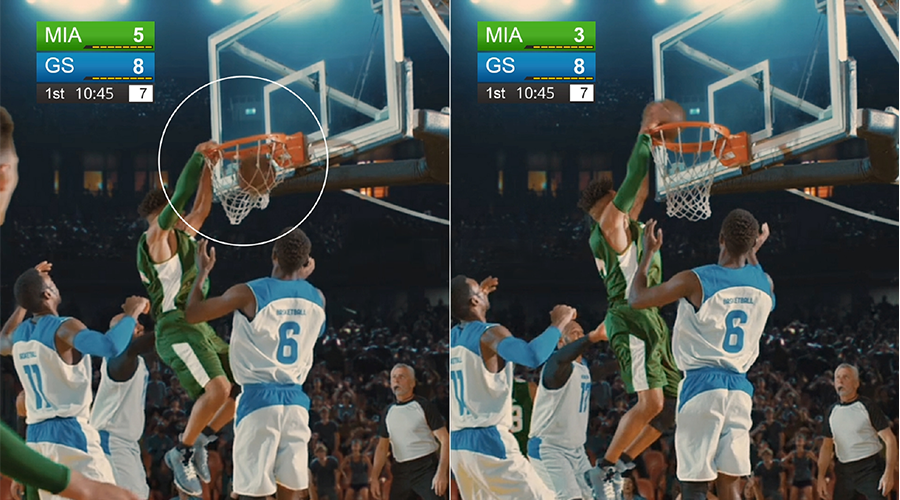
Do Gaming Projectors Experience Input Lag?
Support Center
Contact Us


