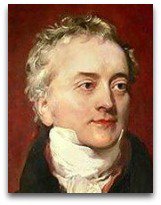
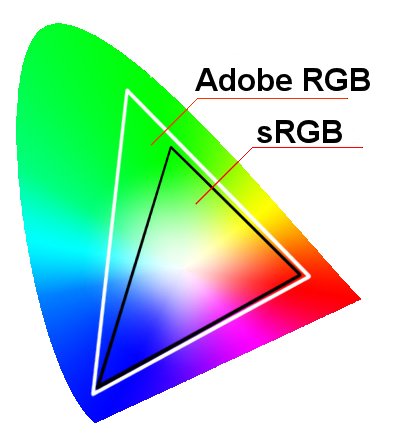
In the 1800s a British scientist and physician named Thomas Young had a theory about color and how the human eye sees it. His “wave theory of light” was built around the idea the eye had three types of cone cells, or photoreceptors, that could see either red, green or blue. Young proposed that, unlike Sir Isaac Newton’s belief that color was made of particles floating around, color was frequency, or wavelengths. The three main colors each had a unique wavelength, and different parts of the eye responded to these different wavelengths when light hit the retina, helping the brain interpret them as color. Blue had a short wavelength, green was medium, and red had a long wavelength. Young thought that all the colors the human eye can see were made up of combinations of red, green, and blue.